
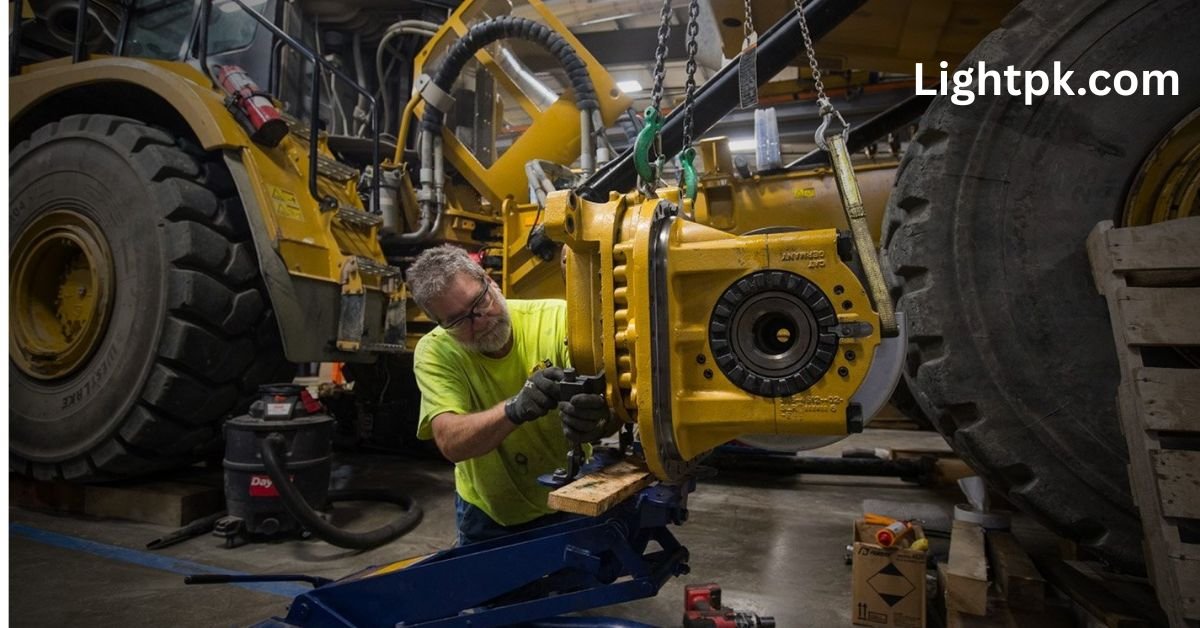
Heavy Equipment Servicer Jobs in Canada
Heavy equipment servicers play an important role in keeping construction, mining, logging, transportation, and industrial equipment operating safely and efficiently. In Canada, this occupation falls under NOC 74203 – Automotive and Heavy Truck and Equipment Parts Installers and Servicers. Workers in this field perform routine servicing, lubrication, fluid changes, tire repairs, and replacement of selected components, while working alongside mechanics and other maintenance professionals.
Heavy Equipment Servicer Jobs in Canada
Canada continues to have employment opportunities for heavy equipment servicers, particularly in provinces with significant construction, transportation, mining, forestry, and industrial activity. Job Bank recently listed 162 jobs across Canada under this occupational group, including opportunities in Alberta, British Columbia, Ontario, Quebec, Saskatchewan, Manitoba, New Brunswick, Newfoundland and Labrador, Nova Scotia, Prince Edward Island, and Yukon.
Typical employers include heavy equipment repair shops, construction companies, mining companies, logging operations, industrial businesses, transportation companies, and equipment service departments.
What Does a Heavy Equipment Servicer Do?
A heavy equipment servicer is responsible for routine maintenance and servicing rather than full mechanical repairs. The position can involve working on excavators, loaders, cranes, trucks, construction equipment, and other heavy machinery.
Common duties include:
- Changing engine oil and lubricating moving components
- Greasing booms, pulleys, buckets, and other equipment parts
- Replacing oil, air, and fuel filters
- Adding or replacing hydraulic and transmission fluids
- Repairing and balancing tires
- Installing replacement mufflers, exhaust pipes, radiators, springs, or shock absorbers
- Inspecting equipment for basic maintenance requirements
- Assisting heavy-duty mechanics when required
- Driving service trucks to construction or industrial sites
- Following workplace safety procedures
These responsibilities are consistent with the Canadian Job Bank occupational description for NOC 74203.
Heavy Equipment Servicer Salary in Canada
Salary can vary according to province, employer, experience, overtime, and the type of equipment being serviced. Job Bank’s national wage information lists approximately $16.55 per hour as the low wage, $20.00 per hour as the median, and $30.00 per hour as the high wage for this occupational group.
Experienced workers may have opportunities to earn more through overtime, specialized industrial work, remote-site employment, or additional responsibilities. Actual wages should always be confirmed in the individual employer’s job advertisement.
Education and Requirements
The educational requirements for heavy equipment servicer positions can be relatively accessible compared with some skilled mechanical trades. Job Bank states that some secondary school education is usually required, while several weeks of on-the-job training are also commonly required. Certain positions may have additional certification or licensing requirements depending on the work and location.
Employers may prefer candidates with:
- High school education
- Previous heavy equipment servicing experience
- Basic mechanical knowledge
- Experience with lubrication and preventive maintenance
- Knowledge of hydraulic and transmission fluids
- Tire servicing experience
- Ability to use basic hand tools
- Good physical fitness
- Strong workplace safety awareness
- A valid driver’s licence where required
Some current Canadian postings demonstrate that requirements can differ by employer. For example, one recent Calgary posting listed no formal degree, certificate, or diploma as an education requirement, while another British Columbia posting requested high school graduation.
Where Are Heavy Equipment Servicer Jobs Available?
Job opportunities can be found across several Canadian provinces. Recent Job Bank listings showed particularly notable numbers in Alberta, British Columbia, Quebec, Ontario, Saskatchewan, and Manitoba.
Alberta can be attractive for workers interested in construction, transportation, energy, and industrial equipment. British Columbia offers opportunities connected with construction, forestry, transportation, and resource industries. Ontario and Quebec have large industrial and transportation sectors that can also employ equipment servicing workers.
Because availability changes regularly, candidates should check current job advertisements before applying.
Skills Employers Look For
Successful heavy equipment servicers need practical skills and attention to detail. Preventive maintenance is especially important because properly serviced equipment can reduce unexpected downtime.
Important skills include:
Mechanical awareness: Workers should understand basic equipment components and recognize when a machine needs servicing.
Preventive maintenance: Regular lubrication, fluid checks, filter replacement, and inspections are essential.
Safety awareness: Heavy machinery can present serious workplace hazards, so workers must follow safety procedures and use appropriate protective equipment.
Physical ability: The job may involve standing, bending, lifting, climbing, working outdoors, and operating around large machinery.
Teamwork: Heavy equipment servicers often work alongside mechanics, operators, supervisors, and other maintenance personnel.
Career Outlook
The Canadian Job Bank reports that employment prospects vary by province. Its current outlook shows moderate prospects in several regions, while some provinces have limited or very limited outlooks. Nationally, labour demand and supply are expected to be broadly balanced over the 2024–2033 period.
Workers who develop additional skills in heavy-duty equipment maintenance, hydraulics, tires, lubrication systems, or related mechanical trades may improve their long-term career opportunities.
Jobs for Foreign Workers
International candidates should understand that not every Canadian job advertisement is open to applicants outside Canada. Job Bank specifically notes that people who are not legally authorized to work in Canada cannot apply for every position and should check whether an employer is recruiting candidates from outside Canada.
Foreign workers should therefore look for legitimate employers and carefully verify whether a position offers support for international recruitment, such as an LMIA where applicable. Never pay an individual for a guaranteed Canadian job or work permit.
How to Apply for Heavy Equipment Servicer Jobs
Applicants should prepare a professional Canadian-style resume highlighting equipment servicing, lubrication, preventive maintenance, tire work, fluid replacement, and relevant construction or industrial experience.
When applying, include:
- Your full name and contact information
- Relevant work experience
- Heavy equipment or machinery experience
- Education and training
- Certifications and licences
- Driver’s licence information, if relevant
- References, when requested
- Availability for shifts, overtime, or remote work
Use reputable employment sources and verify employer information before submitting personal documents.
Apply Now
By email
Final Thoughts
Heavy Equipment Servicer (Except Mechanic) jobs in Canada can be a practical career option for people with hands-on maintenance skills who want to work in construction, mining, transportation, forestry, or industrial environments. The occupation generally does not require a university degree, and Job Bank indicates that secondary education and on-the-job training are commonly sufficient for entry into the occupation.
With experience, safety training, and additional technical skills, workers can potentially progress toward more specialized equipment maintenance and mechanical occupations. Candidates should always check the latest job posting, wage, location, requirements, and work authorization conditions before applying.